How Long Does It Take to Build a Gunite Pool in Northwest Arkansas?
Wondering how long it really takes to
build a gunite pool here in Northwest Arkansas? You’re not alone. The answer depends on the region’s unpredictable weather, local regulations, and the unique features you want in your backyard. At
Waterclear Pools, we know the timeline from the first handshake to the first swim matters a lot. That’s why we’re pulling the curtain back on every phase of construction, so you know exactly what to expect if you’re diving into this project.
Whether you’re dreaming of summer relaxation or want to get ahead of the spring rush, this guide covers every step—plus what can speed things up or slow things down in our part of Arkansas. There’s no sugarcoating or vague promises here—just realistic timelines, savvy advice, and local know-how to help you plan a smooth and successful pool build from Day One.
Understanding the Gunite Pool Construction Timeline in Northwest Arkansas
Planning a gunite pool is both exciting and a bit nerve-wracking, especially when it comes to understanding how long the build will actually take in Northwest Arkansas. Folks around here know our weather can turn on a dime, city paperwork is never as quick as you’d hope, and every backyard throws its own surprises at you. That’s why timelines for pool builds can swing a week here or a month there, even for well-organized projects.
Northwest Arkansas isn’t just any old backdrop for a pool project—the region comes with its own blend of challenges and perks. From rocky hillsides to red clay soil and the back-and-forth of local permitting offices, the details add up. That’s why relying on national averages or stories from other states usually leads to a lot of frustration and missed expectations.
We’ve built this guide around our region’s realities. Coming up, you’ll see how every phase plays out locally—how long each step should take, what might throw a wrench in the works, and how expert project management can keep things clicking along. By breaking down the process and highlighting all the regional factors in play, we hope you’ll walk away with a timeline you can actually count on—and a few tips to keep your pool project on track from the start.
Realistic, Expert-Informed Timeline for Building a Gunite Pool
In Northwest Arkansas, building a gunite pool is rarely a “one size fits all” timeline, but here’s what most homeowners can expect when everything goes right. Based on industry data, local builder feedback, and dozens of finished projects, a standard gunite pool will take about 10–12 weeks from breaking ground to filling it up. Let’s walk through the key milestones, week by week, to paint a clear picture.
The first month (weeks 1–4) is all about planning, design decisions, site prep, and local permit approvals. Depending on your city—whether you’re in Bentonville, Fayetteville, Rogers, or surrounding areas—permits might be approved in as little as two weeks or take all four.
Once that’s squared away, you’re headed for two core construction chunks: excavation and rebar framing (around weeks 5–6, barring rock or clay delays) and forming the gunite shell plus curing (weeks 7–8). Each phase can stretch if soil is tough, weather turns rainy, or equipment runs late. Finishing touches—tile, coping, decking, then plaster and interior work—fill out weeks 9–12.
Be aware that adding custom features, encountering unexpected rock, slow material deliveries, or missing a permit document can tack on a week (or two) here and there. On average, though, if you plan for about three months from start to finish—and know where flexibility helps—you’re setting yourself up for a realistic, low-stress build in the NWA area.
Key Factors That Influence Gunite Pool Build Time in NWA
- Weather Conditions – Northwest Arkansas weather is unpredictable. Heavy spring rains and summer storms can stop work for days or even a week. Extreme heat in July and August affects curing, so crews sometimes reschedule work for cooler hours.
- Soil and Terrain – Karst limestone rock, red clay, or hillside lots add days to excavation. Removing large rock ledges or stabilizing clay soil can require extra equipment and more time—sometimes a week or more above a “standard” dig.
- Permitting and HOA Approvals – Municipalities like Fayetteville, Bentonville, and Rogers all have their own permit processes. Average permit wait times range from two to four weeks, with HOAs (especially in Bella Vista or Pinnacle Hills) sometimes needing another one to two weeks for review—assuming paperwork is done right the first time.
- Material and Labor Availability – Demand spikes in the spring and early summer, leading to occasional shortages of rebar, tile, or specialty finishes. If labor is overbooked, finishing phases can get spaced out, which bumps the overall timeline.
- Project Complexity and Change Orders – Custom features like spas, water features, or advanced lighting bump up install times and scheduling. If homeowners change their minds midway or tweak the design, expect extra time for re-engineering or new permit submissions.
- Scheduling and Communication – Delays happen when decisions or approvals lag between the homeowner, builder, or inspectors. Timely responses and clear, ongoing communication let crews move from phase to phase seamlessly, keeping the build closer to schedule.
The Complete Pool Construction Process: From Vision to Life in NWA
Building a gunite pool in Northwest Arkansas is a journey with several important stops along the way. It’s more than just digging a hole and spraying in concrete—each phase has its own purpose, pace, and expectations. For most homeowners, the process moves like clockwork when everyone knows what’s next and what to prepare for.
This section breaks down the full construction sequence, right from the first design brainstorm through site prep, heavy machinery, and the satisfying day water pours into your new backyard oasis. Every pool has its own flavor, but the phases here are tried-and-true for the NWA area.
By looking ahead at the different stages, you’ll see how everything fits together—and why some steps take longer than others due to local challenges. The next subsections dig deeper into each milestone, helping you spot any hurdles before they slow you down. With the right planning and local insight, you’ll know not just what happens, but why it matters for your timeline.
Week 1–4: Pre-Construction and Permitting Process
The pre-construction phase is all about careful planning and getting all your ducks in a row before any dirt is moved. At this stage, most homeowners kick things off with a detailed design consultation, where you map out your dream pool’s size, shape, custom features, and how it fits your backyard space.
Site surveys usually follow, letting the builder spot grading issues, utilities, access problems, and any quirks unique to your lot. This information is crucial because it shapes not just the design but how construction unfolds later.
Then comes perhaps the most patience-testing part: permitting. Northwest Arkansas cities each have their own procedures and timelines. For instance, Fayetteville permits might move in two weeks if files are ready, while
Springdale sometimes takes up to four weeks (even longer with missing documents or during spring/summer rush). Factor in the need for drawings, HOA approvals, and, in some subdivisions, design board reviews—which can eat up extra days if you miss an approval meeting cycle.
It’s tempting to want to rush site prep, but getting permits and plans locked in now saves major headaches later. This early groundwork sets the schedule for every single phase that follows, and a smooth start here usually means fewer surprises down the road.
Excavation and Structural Framing: Week 5–6
Once the green light flashes on your permits, it’s time for the heavy machines and the first visual transformation of your backyard—the excavation phase. For many Northwest Arkansas homeowners, this is where excitement really kicks in. In simple soil, digging can be wrapped up in as little as 3–5 days.
But—let’s be honest—our region’s ground isn’t always “simple.” Hitting rock ledges, stubborn red clay, or needing to shore up a hillside lot can drag things out. Rock excavation often means extra equipment, more skilled operators, and sometimes even needing to bring in a breaker or drilling rig. That can push digging to a week or two easily.
As soon as the hole’s ready, crews set the rebar framework—the steel skeleton that gives your pool its strength and shape. Laying each piece to exact standards is crucial for long-term structural integrity, especially with our region’s freeze-thaw cycles and shifting soils. NWA inspectors will often want a look before next steps, so coordination and passing the first time keeps you on schedule. When done right, you’ve laid the foundation for a tough, durable pool shell that handles what Arkansas weather throws your way.
Week 7–8: Gunite Application and Shell Curing
Now the pool structure starts coming to life with the application of gunite—a spray-on concrete mixture that forms the actual pool shell. Specialized crews use hoses to coat the entire rebar frame, building up a thick, rock-hard surface that will eventually hold thousands of gallons of water.
The application itself usually only takes a couple of days for standard pools, but the real star of this phase is the curing period. Once the gunite is in place, it needs 7–10 days (sometimes up to two weeks in cool, wet weather) to cure properly. This process is essential for strength and crack resistance—there’s no shortcut for patient curing, especially in Arkansas’s variable spring and fall temperatures.
If the weather is too cold (especially with nighttime freeze-thaw swings), extra time might be needed for curing to avoid future trouble. During this phase, regular misting helps keep the gunite from drying too fast. Skipping this or rushing forward risks costly repairs down the road, so any delays here are usually about getting it right, not just getting it done.
Finishing Phases: Tile, Coping, Decking, and Interior Finish
With the pool’s shell formed and cured, construction moves to finishing touches—the transformations that give the pool its personality and polish. These phase transitions mark the shift from “big construction” to more detailed, artistic work, as crews add tile, coping, decking, and the all-important interior finish such as plaster.
This is when your pool really starts to look and feel inviting, with custom tile patterns, stone or brick coping, and decks that tie the water to your home’s outdoor living areas. It’s also where scheduling, weather, and material deliveries can make the difference between an on-time finish or a project that lingers into next month.
The following sections break down each key activity—what happens, how long it typically takes, and what factors influence the finish date. It’s important to understand that every choice on material or design at this stage changes the time required, so communication and planning become more important than ever.
Week 9–10: Tile, Coping, and Pool Deck Installation
Tile and coping work is where artistry meets utility. Crews install your selected tile along the waterline, creating that custom look and adding a durable seal. Meanwhile, coping—usually brick, natural stone, or poured concrete—frames the pool’s edge, adding both appeal and safe entry/exit points for swimmers.
This phase is highly coordinated, with tile setting and coping needing to be perfectly aligned. Depending on the complexity and the number of custom features, this step takes a week or two. Weather, especially heavy spring rain or extended humidity, can cause adhesive delays and slow curing times.
Pool decking follows closely, transforming the rest of your backyard into a comfortable, usable space. Material delays and wet ground conditions (common in NWA spring and fall) can push this step out by several days, so scheduling crews and deliveries ahead of time is crucial. Whether you choose textured concrete, pavers, or stone, every deck has its quirks, and good planning makes the install smoother and faster.
Plaster, Interior Finish, and Water Balancing
The final interior finish is what makes your pool both watertight and visually striking. Plaster is the most common choice for gunite pools, but some homeowners opt for pebble, quartz, or polished aggregate finishes for added color or texture. Applying this finish typically takes a single day, but it needs a minimum cure time before water is introduced.
Once the finish is in, the crew quickly moves to fill the pool, usually requiring 24–48 hours of non-stop water flow from a hose or truck. After fill-up, technicians balance the pool’s water chemistry, check for leaks, and start up the pumps and filtration systems. Getting the water right can take 2–3 days, as it needs to settle and pass a series of chemical and clarity checks before family and friends take their first splash.
Rushing this step is never a good idea—improperly cured plaster or imbalanced water can lead to stains and early wear. Best practices are always followed here to guarantee a lasting, low-maintenance pool for years of trouble-free enjoyment.
Custom Features and Their Impact on Build Time
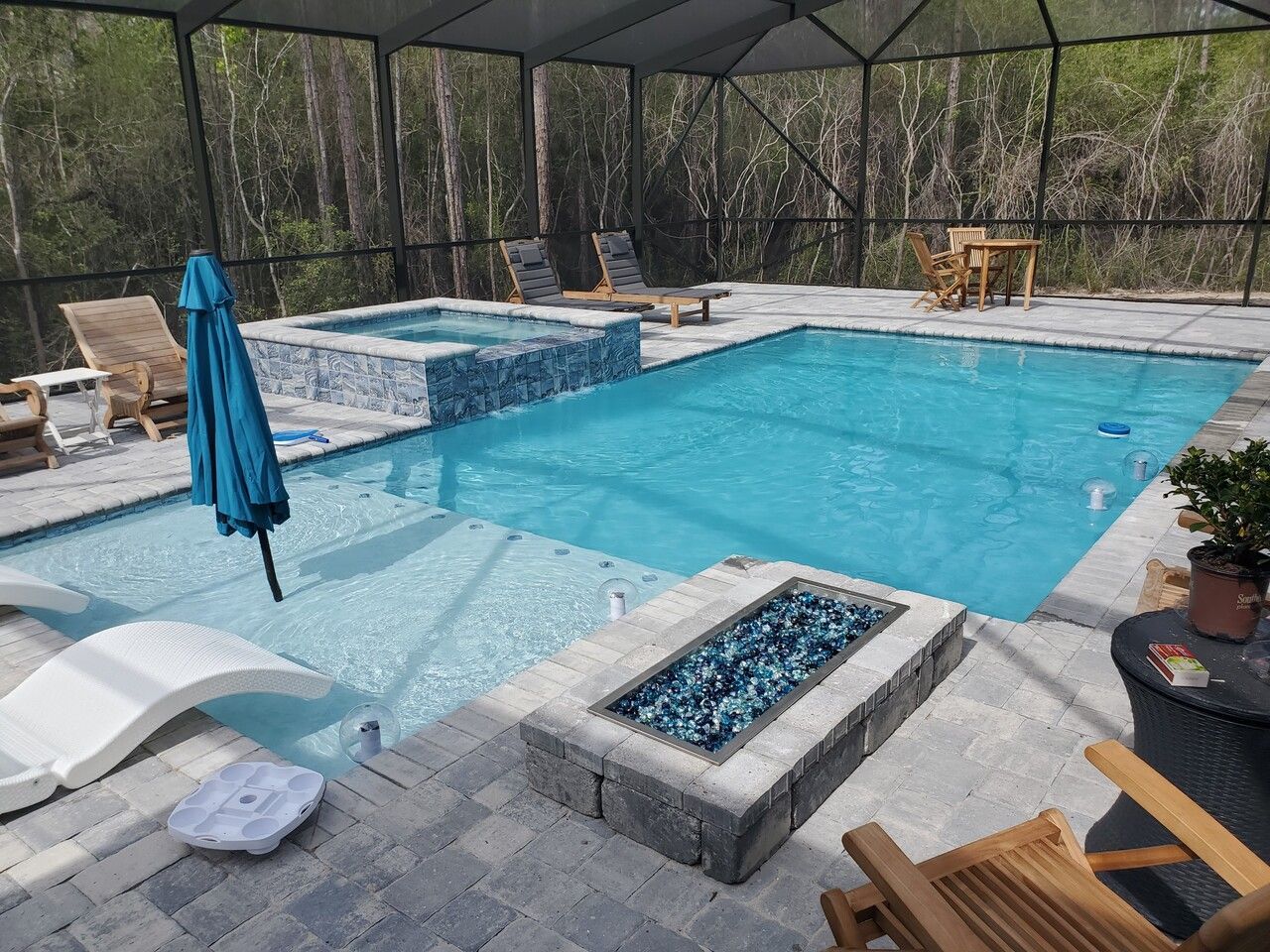
Dreaming of a pool that stands out from the crowd? Adding custom features—like a tanning ledge, spa, waterfall, or advanced lighting—can turn your backyard into a showstopper. But more features almost always mean more build time, as extra elements need both design planning and careful installation.
Deciding what you want ahead of time is a great way to keep your custom build on schedule. The next section shows exactly which features tend to add days (or even weeks) and how to keep things moving smoothly.
Custom Build Time and Personalized Timelines
- Integrated Spas – Adding a spa to your pool design can extend construction by 1–2 weeks. This is due to extra plumbing, complex concrete work, and the need for additional inspections.
- Waterfalls and Sheer Descents – Building rock features, water walls, or raised ledges adds material and labor time. Expect an additional 3–7 days, especially if you choose natural stone or multi-level cascades.
- Tanning Ledges and Sun Shelves – While not as time-consuming as spas, tanning ledges often require extra grading, rebar, and precise gunite forming, usually bumping the timeline by 2–4 days.
- Custom Lighting and Automation – Installing specialty lights, fountain jets, or smart controls adds coordination time. Electricians and technical specialists may space their work out, leading to a 2–5 day delay depending on complexity.
- Advanced Decking and Outdoor Kitchens – Upgrading to elaborate decks or integrating built-in grills/kitchens means more subcontractors and material deliveries. These can add anywhere from a few days to two additional weeks, particularly if weather slows outdoor masonry work.
- Design Revisions During Construction – If you switch up features or finishes after the build starts, the timeline can balloon. Getting all custom decisions finalized early is the best way to avoid last-minute delays.
Advanced planning, making decisions before the build begins, and clear upfront communication with your builder help keep even the wildest custom vision on schedule. Every feature should come with a realistic timeline add-on, so you never feel blindsided by an unexpected two-week delay.
Avoiding Delays: What You Can Control During Construction
Building a gunite pool in Northwest Arkansas has enough moving pieces—a few out of your control, and a bunch you can manage with some planning. If you want the smoothest ride possible, focusing on your part of the partnership makes a huge difference in keeping your project on schedule.
This section is all about identifying avoidable hold-ups and understanding the role of timely choices, effective communication, and strategic prep work. Even when the weather acts up or inspectors take their time, there’s lots you can do to keep your pool build off the “delayed” list.
The details that follow call out common missteps and highlight where a little extra attention pays off big. From paperwork to scheduling to decision-making, every week is a new opportunity to keep your project moving confidently ahead.
Common Mistakes That Cause Construction Delays
- Delayed Feature Selections – Waiting until construction starts to pick tile, coping, or decking can hold up the schedule. Early decisions help your builder order materials and keep crews working back-to-back.
- Slow Permit or HOA Approvals – Not submitting paperwork on time or missing HOA meeting cycles can push the whole project back by weeks. Ask your builder early about typical review windows in your neighborhood.
- Lack of Communication – Missed calls or slow email replies about builder questions (like property access or design tweaks) give construction crews reason to pause until they hear from you.
- Unapproved Change Orders – Changing your mind about features or finishes mid-build without proper paperwork restarts approval processes and can lead to new scheduling conflicts.
- Ignoring Weather Contingencies – Scheduling tight back-to-back deadlines without accounting for possible rain, freezes, or heatwaves almost always results in overruns. Setting realistic expectations makes bumps easier to absorb.
The best way to keep your pool project on track? Be prompt with choices, stay in touch, and lean on your builder’s local know-how to sidestep common snags before they turn into major setbacks.
HOA, Inspections, and Other External Scheduling Challenges
- HOA Approval Cycles – Many Northwest Arkansas subdivisions require design reviews before you even break ground. Submission deadlines for HOAs in areas like Bella Vista or Pinnacle Hills can be monthly, meaning missing one pushes your approval out by weeks.
- Municipal Permit Processing – Bentonville averages 2–3 weeks for pool permits when documents are complete, while Springdale or Rogers may run 3–4 weeks in busy seasons. Incomplete applications or missing plot surveys prompt instant delays.
- City and County Inspections – Inspections are required at key construction stages—often after excavation, gunite application, and before filling the pool. Scheduling these in advance with your builder helps fit into the inspector’s calendar and keeps the build moving.
- Special Zoning or Drainage Reviews – Unique lots or those near floodplains may require additional sign-offs by city engineering or environmental boards, which can quietly add a week or more if not planned for upfront.
- Tips for Managing Third-Party Delays – Create a full checklist of required submissions right after your initial design meeting. Stay on top of HOA and permit review timetables and always confirm inspections are officially booked. Proactivity keeps you in the fast lane—or at least out of the complete standstill zone.
Frequently Asked Questions About Gunite Pool Timelines in NWA
This section is your shortcut to the questions almost every homeowner asks before (and during) a gunite pool build in Northwest Arkansas. If you want answers on how long a pool really takes, why projects get delayed, or whether a
fiberglass pool would be any quicker, you’re in the right spot.
Each Q&A below zeroes in on a common concern—average timelines, faster alternatives, and the smartest timing for kicking off your project. Consider this your rapid-fire answer hub, built on real world experience and honest, up-to-date info about building in our backyard.
Read on to get clarity on everything from process speed to seasonal tips, designed so you can make smart decisions with no guesswork involved.
How Long Does It Take to Build a Gunite Pool in Northwest Arkansas?
On average, it takes about 10–12 weeks to complete a gunite pool in Northwest Arkansas from the initial start of construction to first swim. This estimate is drawn from feedback by local builders, customer case studies, and city permit records across
Bentonville,
Fayetteville, and
Rogers.
The first month is usually tied up with design meetings, site surveys, and chasing down all necessary permits. Excavation, framing, and the gunite shell fill out the next three to four weeks—unless your lot hits rock or serious clay, which can tack on several days to a week. Weather, especially spring rainstorms, is one of the biggest variables. A wet April or May almost guarantees delays.
Finishing phases—tile, coping, decking, and plaster—typically wrap up in weeks nine to twelve. More complex designs or added outdoor features (like a custom spa or waterfall) push the total beyond the three-month mark. Staying proactive with decisions, quick on paperwork, and flexible with the schedule helps keep your build closest to that 10–12 week expectation.
Bottom line: Northwest Arkansas’s terrain, climate, and city/neighborhood processes are variable. The tighter your planning and the quicker your approvals, the more likely you are to see water in your pool before the next season hits.
Are There Faster Alternatives to Gunite Pools?
- Vinyl Liner Pools – Typically take 3–6 weeks from permitting to completion, depending on weather and site prep. They are a popular choice for speed and lower upfront cost, but don’t offer the same flexibility for custom shapes or as long a lifespan as gunite.
- Fiberglass Pools – The fastest of the bunch, fiberglass shells can be installed in 2–4 weeks, mostly because they are pre-manufactured and just need to be leveled and plumbed on site. However, they have limitations on size, shape, and custom features.
- Gunite Pools – Offer the highest level of customization, durability, and design freedom, but at the cost of a longer timeline (10–12 weeks or more). For homeowners looking for unique features—like tanning ledges, spillover spas, or complex shapes—gunite is the top choice even though it isn’t the fastest.
- Summary – If speed is your number one priority, vinyl or fiberglass might be worth consideration. If you want a pool that’s one-of-a-kind and built to last for decades, the extra wait for a gunite pool is usually well worth it.
When Is the Best Time of Year to Start a Pool Project?
The optimal season to start building a gunite pool in Northwest Arkansas is early fall, specifically September or October. Starting in the fall allows crews to take advantage of drier, more predictable weather—minimizing delays caused by April and May rainstorms common across the region.
Spring can be a tempting time to start if you want to swim by summer, but spring rain delays in NWA are almost legendary, often stretching permitting and excavation into late May. Summer brings heat that’s tough on crews and can slow concrete and plaster curing, too.
If you live in an area prone to winter freezes, beginning construction by late fall lets your pool shell cure before the worst cold, and finish work can pick up when weather stabilizes. Building over winter is possible with proper protection, but expect some slowdowns in January and February due to freeze-thaw cycles and limited labor availability.
Ultimately, starting your project before late winter sets in gives you the best shot at a smooth build and swimming sooner—without the backlog and weather drama that can come with spring starts.
Partnering with the Right Pool Builder in Northwest Arkansas
If you want your pool built right and on schedule, who you choose to build it matters every bit as much as the design. Northwest Arkansas offers no shortage of builders, but not all bring the same level of project management, open communication, or local experience to the table.
A dedicated team—preferably with a single project manager for each phase—helps erase confusion, reduces the chance of missed deadlines, and keeps the process transparent. Proven local track records also mean fewer surprises, since regional builders know what to expect from our soil, weather, and permit officers.
The following sections unpack how proper project management, real homeowner testimonials, and a personalized approach from trustworthy teams like Waterclear Pools will turn your vision into a simple, predictable process rather than a guessing game. With the right partnership, you’ll spend less time worrying about the build and more enjoying the end result.
Why Every Phase Should Have a Dedicated Project Manager
Assigning a dedicated project manager to each phase of your pool build is a game-changer. One point of contact means clearer communication, greater accountability, and swift problem-solving if something unexpected pops up.
This approach keeps your project moving forward, reduces the risk of costly miscommunication, and ensures that every milestone happens on time and as planned. For homeowners, it means one less thing to worry about throughout the process.
Trusted by NWA Homeowners: Choosing a Proven Local Builder
Local builders like Waterclear Pools have built a reputation for quality and reliability by navigating Northwest Arkansas’s unique challenges year after year. Homeowners report smoother projects and better outcomes working with teams who already know the permit processes, soil surprises, and seasonal pitfalls.
Testimonials and case studies make it clear: going with local expertise means more predictable timelines, fewer headaches, and a finished pool that lives up to both your timeline and your expectations.
Start Your Pool Project Today With a Custom Timeline
Ready to get started? The first step is a personalized consultation with Waterclear Pools, where we map out a timeline that fits your vision, yard layout, and family’s needs. We use in-depth site surveys and your list of “must-have” features to create a project schedule you can count on.
Statistically, projects with an early, detailed plan run 30% smoother and have fewer weather- or schedule-related delays, according to leading industry surveys. We’ll lay out every step, from permit filing to final water balancing, and keep you in the loop as your project moves forward.
You can expect honest advice, a proactive approach to challenges, and a custom plan that includes all the regional curveballs NWA tends to throw—no guesswork, just a straight path to swimming sooner. Reach out today to see how Waterclear Pools can bring your dream backyard to life, right on time.
Waterclear Pools