Saltwater vs. Chlorine Pools: Pros, Cons, and Long-Term Costs
If you’ve been looking at different pool options for your backyard in Northwest Arkansas, then you’ve probably come across the dilemma of either using saltwater or traditional chlorine.
Sanitation systems are important because they affect everything from comfort to long-term costs. The good news is that they both work perfectly fine when designed and installed correctly, but what exactly are the differences?
At Waterclear Pools, we build custom pools throughout Northwest Arkansas and walk homeowners through this decision every day. So here’s a clear, practical breakdown to help you decide what fits your family and your budget.
How Chlorine Pools Work
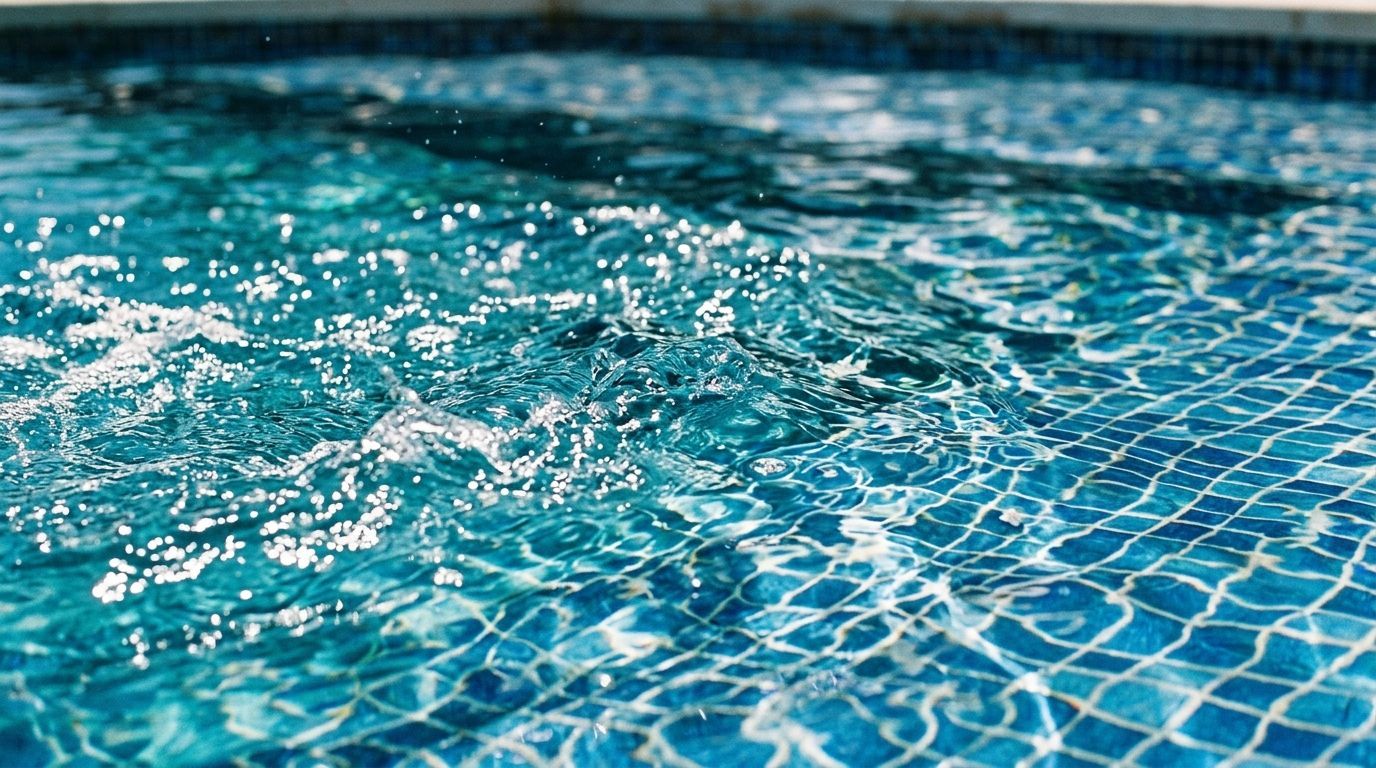
A traditional chlorine pool uses liquid chlorine, tablets, or granular chlorine added directly to the water to keep it sanitized. Chlorine kills bacteria, controls algae, and keeps water safe for swimming. It’s effective, widely available, and has been used for decades.
Pros of chlorine pools
- Lower upfront equipment cost
- Simple, familiar system
- Easy to adjust chemical levels quickly
- No specialized generator required
Cons of chlorine pools
- Stronger chlorine smell
- Can cause skin and eye irritation if levels fluctuate
- Requires more frequent manual chemical monitoring
- Ongoing purchase of chlorine products
Chlorine is a great choice if you want minimal equipment investment, but over time, the costs can add up. It’s worth considering the potential effects on your skin and eyes.
How Saltwater Pools Work
A saltwater pool is still technically a chlorine pool; it just produces chlorine differently. Instead of adding chlorine directly, you add salt to the water. A salt chlorine generator automatically converts salt into chlorine, producing a steady supply.
Pros of saltwater pools
- Softer feel on skin and eyes
- Less noticeable chlorine smell
- More stable chlorine levels
- Fewer large chemical adjustments
Cons of saltwater pools
- Higher upfront equipment cost
- Salt cell replacements every 3 to 7 years
- Potential corrosion if not properly installed
- Slightly higher repair complexity
Most people describe saltwater pools as feeling smoother, and it’s often the only choice for people with sensitive skin. It’s also mostly automated, making maintenance easy. However, there’s a larger initial investment that can be off-putting.
Comparing Long-Term Costs
Upfront costs
Saltwater systems cost more initially due to the generator and equipment. Chlorine systems have lower startup costs.
Ongoing costs
Chlorine pools require steady chemical purchases. Saltwater pools use less purchased chlorine but require a periodic salt cell replacement.
Over a 5 to 10 year period, the overall cost difference is often closer than people expect. Saltwater may cost more at first but can balance out through reduced chemical purchases.
The real financial factor is maintenance consistency. A well-built, properly installed system (salt or chlorine) will always cost less to maintain than one that wasn’t designed correctly from the start.
What Works Best in Northwest Arkansas?
In Northwest Arkansas, we experience warm summers, variable spring weather, and seasonal use. As such, both systems perform well here when installed properly.
Saltwater systems are especially popular with families who:
- Swim frequently
- Want lower hands-on chemical management
- Prefer a softer water feel
On the other hand, chlorine systems remain a great option for homeowners who:
- Prefer lower upfront investment
- Don’t mind routine chemical balancing
- Want simple equipment setups
The key is proper installation and clear guidance from your builder.
Installation Quality Matters More Than the System
The debate between saltwater and chlorine sometimes distracts from the bigger issue: build quality. A poorly built pool with a saltwater system won’t outperform a properly built chlorine pool and vice versa.
At Waterclear Pools, our focus is on building pools correctly from day one. That includes:
- Intelligent scheduling so projects aren’t dragged out
- Most pools completed in six weeks or less
- Clear communication from start to finish
- Custom quotes delivered in about 72 hours
- Proven luxury-level construction experience
- A full Pool School program so you understand your system
When your pool is finished, you won’t be guessing how to manage it. You’ll know exactly how your sanitation system works and how to maintain it.
Which Should You Choose?
If comfort and automation are top priorities, saltwater may be worth the higher upfront investment. If simplicity and lower startup cost matter most, chlorine may be the better fit.
There’s no one-size-fits-all answer. The right choice depends on how you plan to use your pool, how involved you want to be in maintenance, and how long you plan to stay in your home.
Ready to talk through your options?
If you’re planning a custom pool in Northwest Arkansas, use the quote request form on this page to get in touch with us.
You’ll receive a clear and detailed proposal in about 72 hours with no pressure or drama.
Let’s design a pool that fits your family, your lifestyle, and your long-term goals.
Waterclear Pools