
Fiberglass Pool Installation Step by Step: What to Expect and How Long It Takes
QUOTE REQUEST CALL NOWFiberglass Pool Installation Step by Step: What to Expect and How Long It Takes
When homeowners across Northwest Arkansas start researching fiberglass pools, one question comes up more than almost any other: what actually happens between signing the contract and jumping in for the first swim? We think that's a fair thing to want to know before committing to a backyard project of this size, so we put together this walkthrough of the entire fiberglass installation process, start to finish.
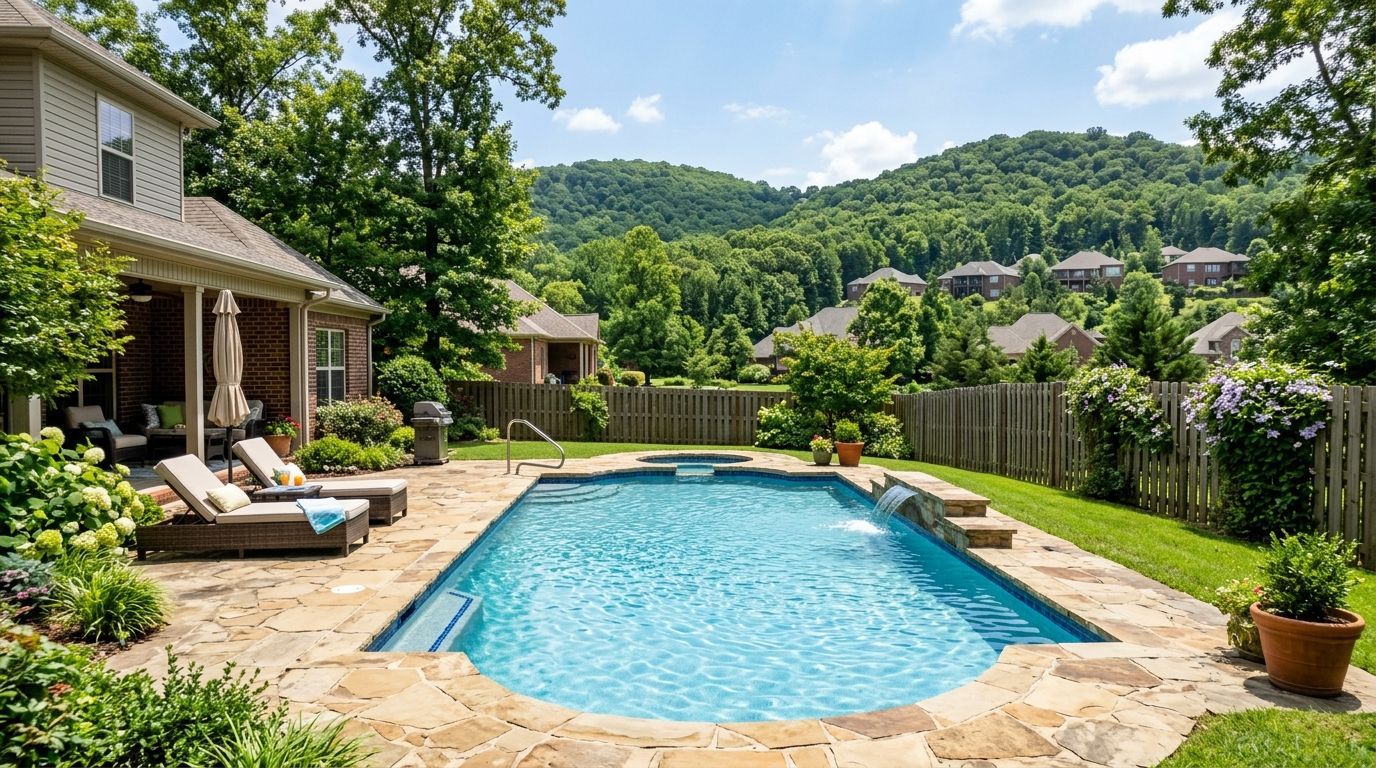
A Complete Overview of Fiberglass Pool Installation
Fiberglass pool installation is faster than gunite construction, but "fast" is relative, and there's still a defined sequence of steps that has to happen in order. Excavation, shell placement, plumbing, electrical, backfill, and decking each depend on the step before it, which is part of why a rushed or out-of-order install is one of the most common sources of long-term problems we see. If you're still deciding between shell types, our
comparison of gunite and fiberglass pools breaks down the tradeoffs in more depth, but once fiberglass is the direction you've chosen, the process below is what you can expect.
We install fiberglass pools throughout the region, including in
Bentonville,
Rogers,
Fayetteville,
Springdale,
Bella Vista, and
Fort Smith, and while site conditions vary from yard to yard, the underlying installation sequence stays consistent.
Pool Plan Strategies and Research Essentials
Before any equipment shows up, the design has to be locked in. This means finalizing the shell model, shape, depth configuration, and placement on the lot, along with decisions about features like tanning ledges, spillovers, or attached spas. We walk homeowners through these choices during our in-home
Pool School sessions, where we cover everything from shell options to long-term maintenance expectations before a shovel ever touches the ground. Our
pool design guide is also a useful reference if you're still narrowing down shape and layout.
Preparing Backyard Access and Site Conditions
Fiberglass shells arrive as a single, pre-formed unit, which means the crane or delivery truck needs a clear path to the backyard. We assess gate widths, fence lines, overhead utility lines, and the condition of the ground the equipment will drive across during our initial site visit. In some Northwest Arkansas neighborhoods — particularly older sections of
Fayetteville or hillside lots in
Bella Vista — access can require temporary fence removal or even a crane placement on the street side of the property. Yards in
Cave Springs,
Centerton,
Lowell, and
Johnson tend to have more room to work with, but we evaluate every site individually rather than assuming.
Permitting and Inspection Process Explained
Permits and inspections run in parallel with early planning, not after it. Depending on your city and HOA, this can include building permits, electrical permits, and fencing or barrier requirements that have to be satisfied before the pool passes final inspection. We covered this process in detail in our post on
permits, HOA approval, and inspections, and we handle the paperwork and scheduling on our clients' behalf so it doesn't become a bottleneck later in the timeline.
Backyard Digging and Excavation Preparation
Once permits are in hand, excavation is the first physical step in the ground.
Layout, Excavation, and Setting the Base
We start by staking out the exact footprint and orientation of the pool, then excavate to the depth and shape specified in the shell design. This isn't just digging a hole the size of the pool — the excavation has to account for the shell's exterior walls, plumbing runs, and a stable base layer beneath the entire structure.
Excavation, Setting, and Leveling for a Stable Installation
A level, compacted base is one of the most important factors in a fiberglass pool's long-term performance. Northwest Arkansas sits on a mix of rocky Ozark subsoil and dense clay, and uneven settling underneath a shell can lead to stress cracks or shifting years down the road. We compact and level the base carefully before the shell ever goes in the hole, which is a step that's easy to rush and expensive to fix later.
Pool Delivery, Placement, and Fiberglass Shell Installation
This is the stage most homeowners look forward to, since it's when the pool actually starts to look like a pool.
Ensuring Precision During Pool Delivery and Placement
The fiberglass shell arrives on a flatbed and is lifted by crane directly into the excavated hole. Precision matters here — the shell has to be leveled, centered, and squared to the deck and plumbing stub-outs before we move forward. We take photos and measurements throughout this stage, which also become part of the documentation homeowners can browse in our
project gallery.
Backfilling and Adding Water to Secure the Shell
Fiberglass pools are backfilled and filled with water simultaneously, in gradual stages, rather than filling the hole with backfill material first. Adding water to the shell as backfill goes in around it balances the pressure on the walls and prevents the shell from shifting or bowing. This is a slow, methodical part of the process, and it's not one where cutting corners saves meaningful time.
Plumbing and Electrical Installation for a Functional Pool
With the shell set and secure, plumbing and electrical work bring the pool to life.
How Plumbing and Filtration Systems Are Installed
Plumbing lines for skimmers, returns, main drains, and any water features are connected to the shell's plumbing ports and routed to the equipment pad. Filtration equipment, pumps, and — if you've chosen one — a
saltwater chlorination system are installed and pressure-tested before the lines are buried.
Electrical Wiring and Integrating Pool Equipment
Licensed electricians run power to the equipment pad, pool lighting, and any automation systems, following the electrical permit requirements pulled earlier in the process. Bonding and grounding are inspected at this stage as well, since they're safety-critical and typically required for final sign-off.
Pouring Concrete, Coping, and Decking Around the Pool
Once the shell, plumbing, and electrical are in place, attention shifts to what surrounds the pool.
Coping and Decking Choices for Your Custom Pool
Coping caps the edge of the shell and ties it visually into the deck, and decking material — whether stamped concrete, pavers, or travertine — is one of the more personal design decisions in the whole project. If you're weighing options like tanning ledges, spillovers, or outdoor kitchens alongside your decking plan, our post on
choosing the right pool features is worth a look before this stage locks in.
Fencing, Landscaping Touches, and Optional Poolside Add-Ons
Fencing is often required for code compliance and is typically installed or finalized around this point, along with landscaping, lighting, and any poolside structures like pergolas or fire features. These finishing touches are what turn a functional pool into a finished backyard.
Installation Timeline: How Long Does Fiberglass Pool Install Take?
This is the question we hear most, and the honest answer is that it depends on site conditions, permitting timelines, and weather — but there's a general pattern most installations follow.
Week by Week Breakdown of the Typical Installation Process
In a straightforward install with no major site complications, homeowners can generally expect excavation and shell setting within the first one to two weeks, plumbing and electrical work in the following one to two weeks, and decking, fencing, and landscaping to wrap up the project over the final several weeks. We outline this sequence, along with what happens at each inspection point, in our broader post on
what to expect during pool construction.
Common Delays and Factors That Impact Installation
The most common source of delay we see in this region isn't the fiberglass work itself — it's what's underneath the yard. Rocky Ozark terrain and heavy clay soil can slow excavation, and permitting timelines vary by city and HOA. Weather, material lead times, and change orders made mid-project can all push a timeline as well. We walk clients through site-specific risk factors during the planning phase so there are as few surprises as possible once work begins.
Tips for a Smooth Installation and a Lasting Fiberglass Pool
A well-run installation and a well-maintained pool go hand in hand.
How to Ensure a Smooth Pool Installation
Clear communication, a realistic timeline, and a builder who handles permitting and inspections directly all reduce the odds of delays. We've also written about the broader pitfalls to watch for when
hiring a pool builder, several of which apply just as much to fiberglass projects as to gunite ones.
How Long Will Your Fiberglass Pool Last and How to Maintain It
Fiberglass shells are known for their durability, but "durable" doesn't mean "maintenance-free." Gelcoat surfaces, plumbing, and equipment all have their own service lives, and knowing the early
signs it's time to resurface or service a pool helps you catch issues before they become expensive. Every pool we build also comes with warranty coverage on the shell and equipment, which you can read more about on our
about page.
Comparing Fiberglass, Vinyl Liner, and Concrete Pools
Fiberglass isn't the only path to a backyard pool, and it isn't the right fit for every lot or every budget. Vinyl liner pools tend to cost less upfront but require liner replacement over time. Concrete and gunite pools offer the most design flexibility and are often the better choice for irregular shapes, tanning ledges, or larger commercial-scale projects, but they take longer to install and have a different long-term maintenance profile. If you're still weighing shell types against each other, our
custom pool builders page outlines what we offer across all three categories, so you can compare based on your yard, budget, and priorities rather than a one-size-fits-all recommendation.
Starting the Conversation and Finalizing Your Pool Design
The best way to get an accurate timeline for your own backyard is to start with a site visit. From there, we can walk you through design options, financing, and a realistic installation schedule based on your specific lot. If financing is part of your planning, our
financing page covers the options available. When you're ready, you can
request a quote or
book a Pool School appointment to get started.
Waterclear Pools